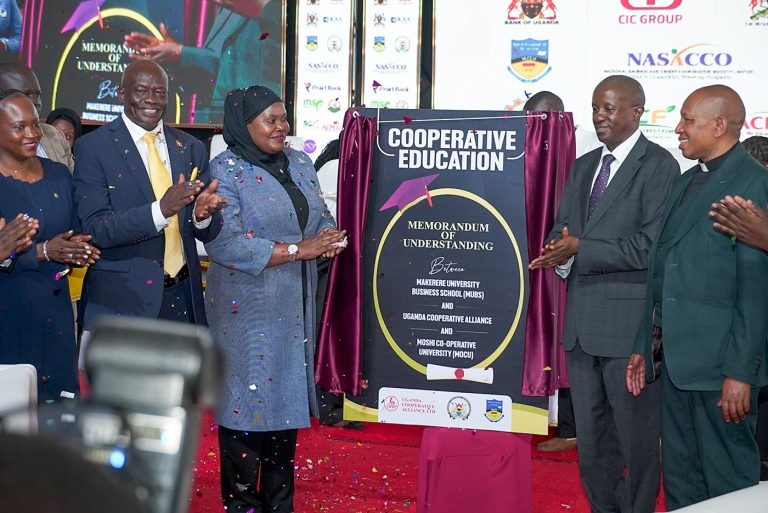
Uganda’s trade community came together at Speke Resort, Munyonyo, on 4th and 5th March for the National Trade Review Conference 2026, two days of focused discussion on what it will take to build a $500 billion economy by 2040.
Bringing together government ministries, private sector players, development partners, academia, and civil society, the conference produced clear commitments across eight areas. Here’s what was agreed.
Implementing the Revised National Trade Policy
The global trading environment is shifting fast, and geopolitical tensions, supply chain disruptions, and new market access requirements are reshaping how countries do business. Uganda’s response is a revised National Trade Policy designed to strengthen competitiveness and build resilience.


Key commitments include cutting the time and cost of cross-border trade, diversifying exports beyond raw commodities, expanding Special Economic Zones with stronger links to small businesses, and making the African Continental Free Trade Area (AfCFTA) a central pillar of Uganda’s growth strategy, not just in policy documents, but in practice.
Scaling Agro-Industrial Value Chains
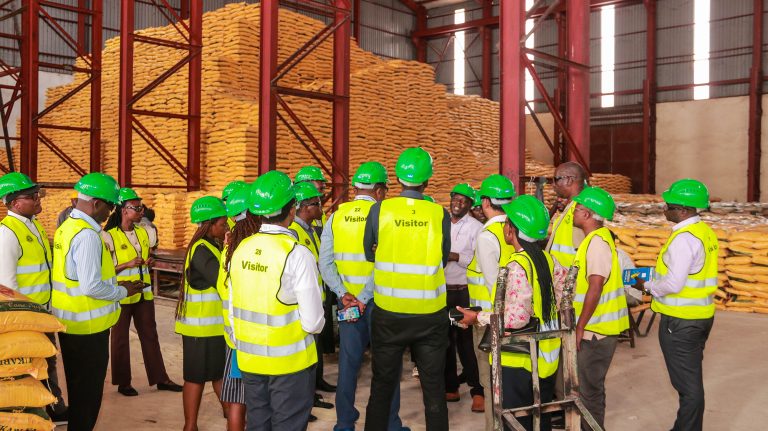
Agriculture remains Uganda’s backbone, but the opportunity lies in processing. The conference called for stronger investment in agro-processing infrastructure, cold chains, and logistics, alongside better quality certification systems that smallholder farmers and cooperatives can actually access and afford. The goal: more Ugandan products leaving the country processed, packaged, and priced at their true value.
Growing the Services Sector
Tourism, ICT, transport, finance, and professional services represent a largely untapped export opportunity. The conference backed developing a dedicated services export strategy, reducing licensing and regulatory barriers, and building digital trade capacity, including e-commerce platforms, data protection frameworks, and local currency payment systems that reduce dependence on foreign currencies.


Minerals: From Extraction to Value Addition
Uganda sits on significant mineral wealth, including gold, iron ore, phosphates, graphite, tungsten, and more. Yet most of it continues to leave the country in raw form. The conference was direct: that model needs to change.
Priorities include investing in downstream processing infrastructure, improving geological data transparency, enforcing responsible mining standards, and building the technical skills needed to support a genuine minerals industry.
Science, Technology, and Innovation for Manufacturing
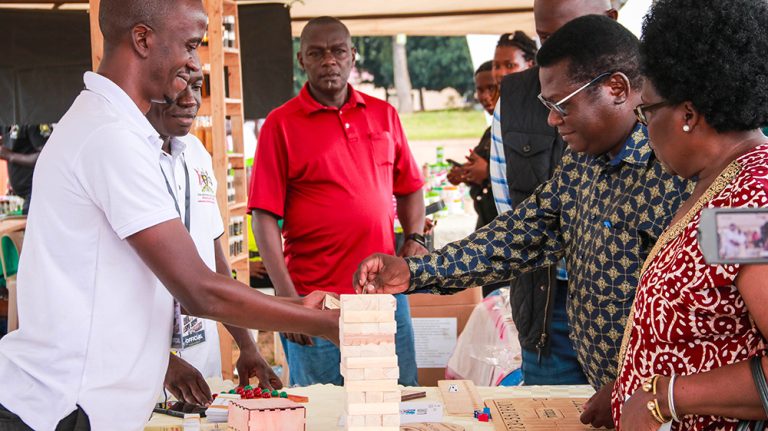
Moving Uganda toward high-value manufacturing requires deliberate investment in research, technology, and skills. The conference called for stronger collaboration between universities, research institutions, and the private sector, along with innovation financing, industrial clusters, and paperless trade systems that reduce bureaucratic friction for exporters and manufacturers.
Strengthening Cooperatives
Cooperatives have real potential to connect smallholder farmers to regional and international markets, but only when they’re professionally run.
The conference pushed for better cooperative governance, reduced side-selling, standardized post-harvest handling, expanded Warehouse Receipt Systems, and digital financial tools. Well-functioning cooperatives are one of the most practical routes to inclusive export growth.
Back to School with NRG 2026, Where Preparation Meets Energy
Get ready for the ultimate Back2School experience! The NRG Back to School…

Regional Trade Shows Bringing BUBU Closer to Every Community
Uganda’s growth is shaped and driven by the farmers, manufacturers, artisans, innovators,…
Hon. Sanjay Tanna Takes Charge at Trade Ministry, Sets Focus on Exports, Industrialization, and BUBU Growth
Uganda’s drive toward economic transformation has received fresh momentum following the official…

Tembo Steels Ltd
Tembo Steels Ltd is a basic/core steel manufacturing company that started its…

Mindset Change Is a Huge Matter
While listening to a talk show on a local radio station some…

Trade Ministry and CEO Forum Drive Manufacturing Reforms
Uganda’s journey towards a stronger industrial economy depends on creating an environment…

Trade Policy, Quality Standards, and Market Order
One of the more grounded discussions at the conference focused on the basics, market infrastructure, product standards, and trade measurements.
Commitments here include establishing a joint quality action framework across relevant government agencies, bringing standards support directly to the district level, digitizing market governance, and publishing an annual trade order and product quality scorecard to track progress publicly.
Coordination, Monitoring, and Accountability
The conference recognized that Uganda has no shortage of good policies; the gap is in execution. Delegates called for increased resources for the Ministry of Trade, Industry, and Cooperatives, a stronger Inter-Institutional Trade Committee, measurable performance indicators, and structured public-private dialogue to track reforms and resolve bottlenecks as they arise.
The commitments made at NTRC 2026 reflect a serious, shared understanding of what Uganda’s trade transformation requires.
The frameworks are in place. The next step is implementation, and that’s where platforms like the Buy Uganda Build Uganda Expo play a direct role, connecting the ambition in these policy rooms to the businesses and investors who will bring it to life.