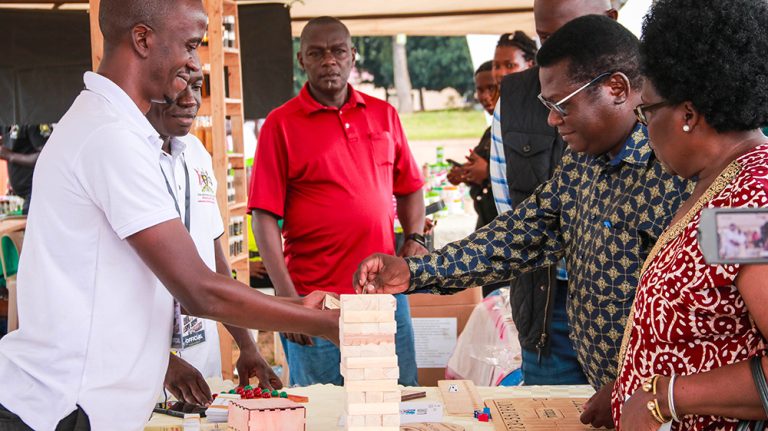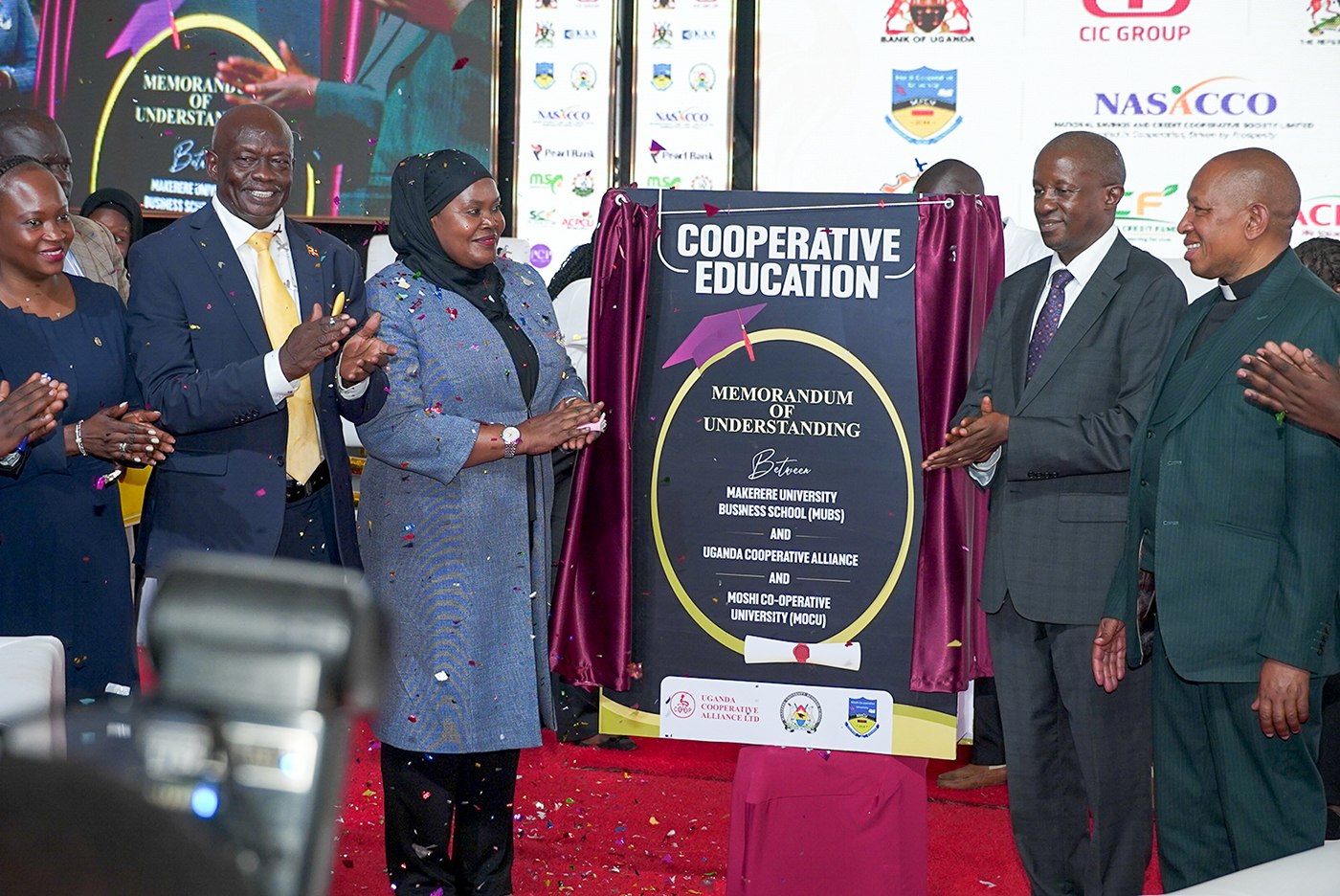
Uganda has taken a key step towards building a stronger, more professional cooperative movement by launching Cooperative Education at the university level.
The programme was launched during the National Cooperative Conference 2026 held at Makerere University Business School (MUBS) in Nakawa. It will enable higher institutions of learning to offer specialised training in cooperatives, leading to diplomas, undergraduate degrees, master’s degrees and PhDs in cooperative studies.

At the conference, the message reiterated was: if cooperatives are expected to play a bigger role in Uganda’s economic transformation, they also need people with the right knowledge and skills to run them.
Building the people behind Uganda’s cooperatives
Uganda has a long history of using cooperatives to bring farmers, workers, traders and communities together. But as cooperatives become larger and take on more complex businesses, running them effectively requires more than goodwill and membership.
They need strong leadership, financial management, marketing, technology, production planning and good governance.
This is where the new Cooperative Education programme could make a real difference.

The 3rd Deputy Prime Minister, Rt. Hon. Rukia Isanga Nakadama, representing H.E. President Yoweri Kaguta Museveni at the conference, highlighted the role cooperatives play in savings mobilisation, access to finance, improved production, access to markets and increasing household incomes.
A cooperative is not simply a group of people who save money together. When properly organised, it can become a business platform that helps its members produce, process, market and earn more from what they produce.
The new education programme can help build the human capacity needed to make that happen.
From producing commodities to building businesses
One of the strongest messages was the need for cooperatives to move beyond simply producing commodities and participate across the entire value chain.
For a coffee cooperative, for example, the opportunity does not end when members harvest and sell coffee beans.
More opportunities exist in aggregation, quality improvement, processing, packaging, branding, marketing, and eventually accessing higher-value markets. The same applies to cocoa, vanilla, Hass avocado, and other products.

For the Buy Uganda Build Uganda (BUBU) policy, this creates stronger demand for goods and services made in Uganda while building the capacity of Ugandan businesses and producers to supply those markets, and cooperatives can become an engine for this.
A farmer producing alone may struggle to meet the volume, quality, consistency, and market requirements of large buyers. Thousands of farmers organised through a well-run cooperative can aggregate production, invest in shared facilities, negotiate better markets and create locally owned value chains.
That means the cooperative movement can help turn BUBU into a stronger system where Ugandans produce, process, package, market and sell more Ugandan products.
The numbers show why this matters
Agriculture remains central to Uganda’s economy and livelihoods. According to the Uganda Bureau of Statistics, agriculture, forestry and fishing accounted for about 24% of Uganda’s GDP in the 2024/25 financial year, while agriculture continues to employ a large share of the country’s working population.
Coffee alone has become one of Uganda’s most important export commodities. Uganda exported 7.43 million 60-kilogram bags of coffee worth about US$2.07 billion in the 12 months to August 2026, according to the Ministry of Agriculture.
These figures show the size of the opportunity.
Governance is not a side issue
The conference also placed strong emphasis on leadership and governance, particularly within SACCOs and other cooperative organisations.
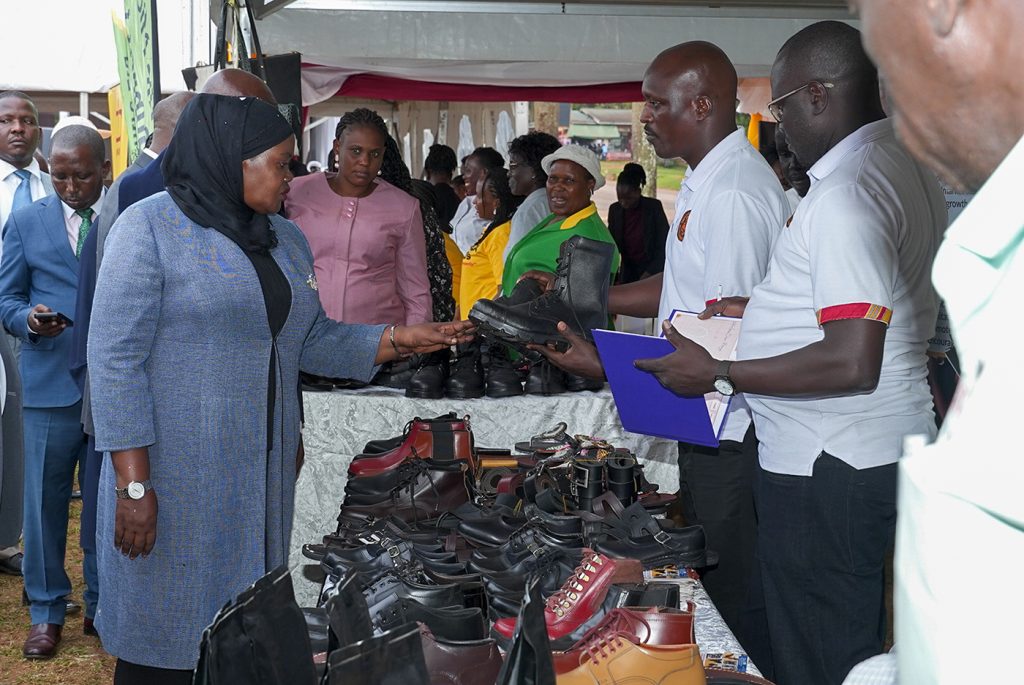
State Minister for Cooperatives, Hon. Tom Alero Aza, called for stronger leadership and governance, pointing to Wazalendo SACCO as an example of what good governance can achieve.
He encouraged cooperatives to hold regular Annual General Meetings, maintain transparent reporting, reinvest returns into profitable ventures, and adopt digital technologies.
Education could change the game
The launch of Cooperative Education therefore comes at an interesting time because Uganda needs better-run cooperatives.
The new programmes could help create a pool of professionals who understand the unique nature of cooperative businesses and can bring stronger skills into the sector.
This includes cooperative management, accounting, finance, marketing, governance, agricultural value chains, digital systems and member relations.

It’s an opportunity for universities to connect classroom learning with real businesses. Students should not only learn how cooperatives work in theory. They should be exposed to real SACCOs, farmer cooperatives, producer organisations, factories, processing facilities and markets.
That connection between education and enterprise is one of the most valuable parts of this programme.
MUBS prepares to lead
The Deputy Principal, Prof. Rachel Mindra Katoroogo, said the Makerere University Business School is in the final stages of approving the cooperative courses and plans to begin teaching them in 2027, offering diplomas and degrees in cooperative studies.
The programme is expected to give young Ugandans another pathway into a sector often discussed in terms of farmers and SACCO members, but which also needs accountants, managers, marketers, ICT specialists, researchers, lawyers and business development professionals.
The Uganda Cooperative Alliance, which convened the conference together with the Ministry of Trade, Industry and Cooperatives, described the launch as a major milestone in professionalising the cooperative movement.
Cooperatives can help make BUBU practical
For BUBU to have a lasting impact, Uganda needs more than campaigns encouraging consumers to choose local products.
It needs productive businesses that can supply those products consistently. This is where cooperatives can fit into the bigger picture.
That kind of cooperative movement can create jobs, grow local businesses, and keep more value within Uganda.
A new chapter for the cooperative movement
The launch of Cooperative Education is an investment in the people who will manage Uganda’s cooperative economy in the years ahead.
BUBU needs Ugandan products. Ugandan products need strong producers. Strong producers need strong organisations, and strong organisations need people who know how to build and manage them.
The classroom may be where the journey begins, but the real destination is a stronger Ugandan economy built by Ugandans.