Regional trade works best when neighbouring countries collaborate to solve challenges. That was the focus of the recent technical bilateral meeting between the Republic of Uganda and the United Republic of Tanzania, held in Entebbe from 27th to 30th July 2026.
The meeting brought together officials from both countries to find practical ways of improving market access for Ugandan sugar in Tanzania while strengthening trade within the East African Community.
Strengthening trade is not only about moving products smoothly across borders, it is also involves building trust, improving coordination, and creating opportunities that benefit businesses and consumers on both sides.
Uganda Has the Capacity to Supply the Region
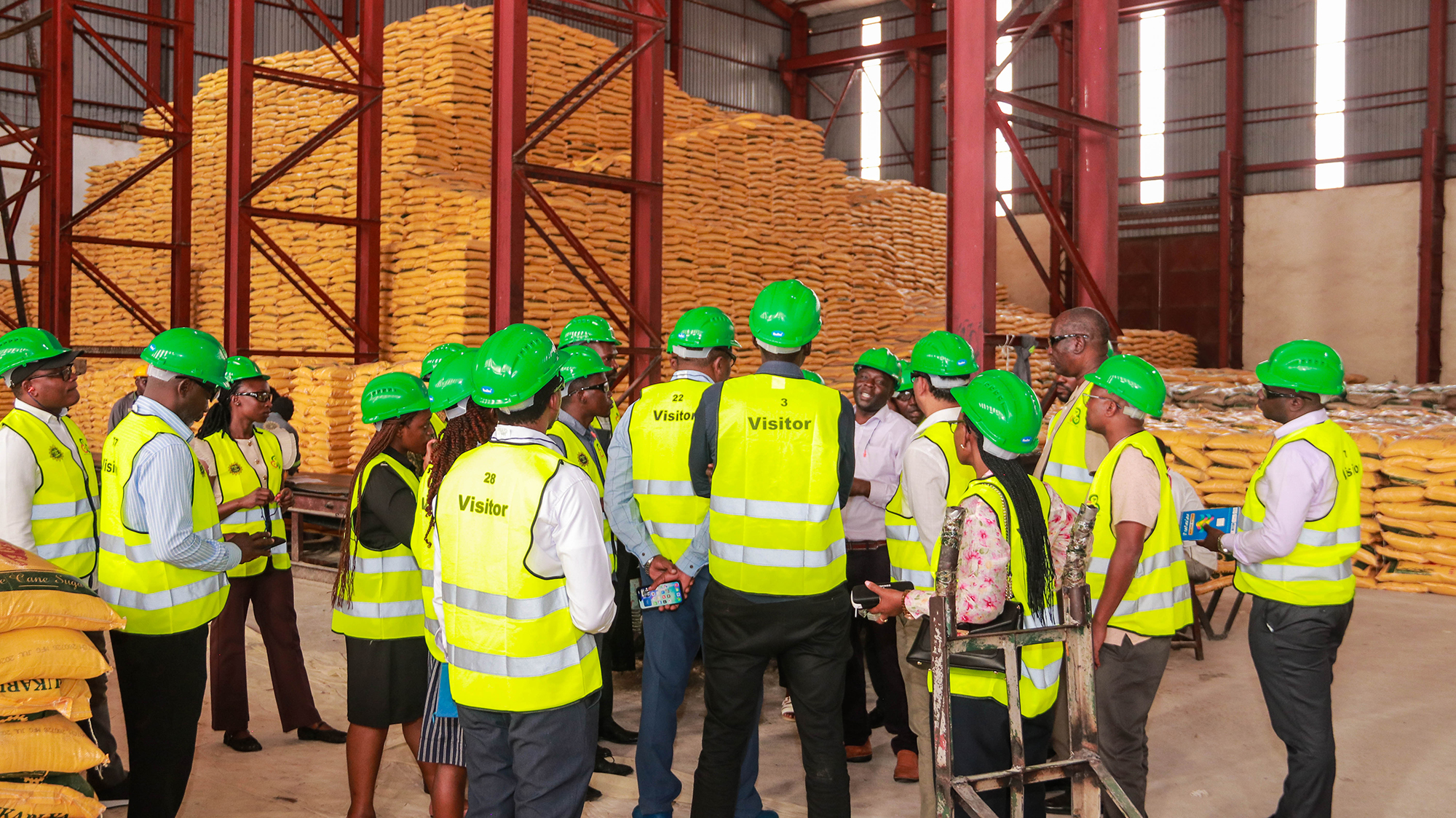
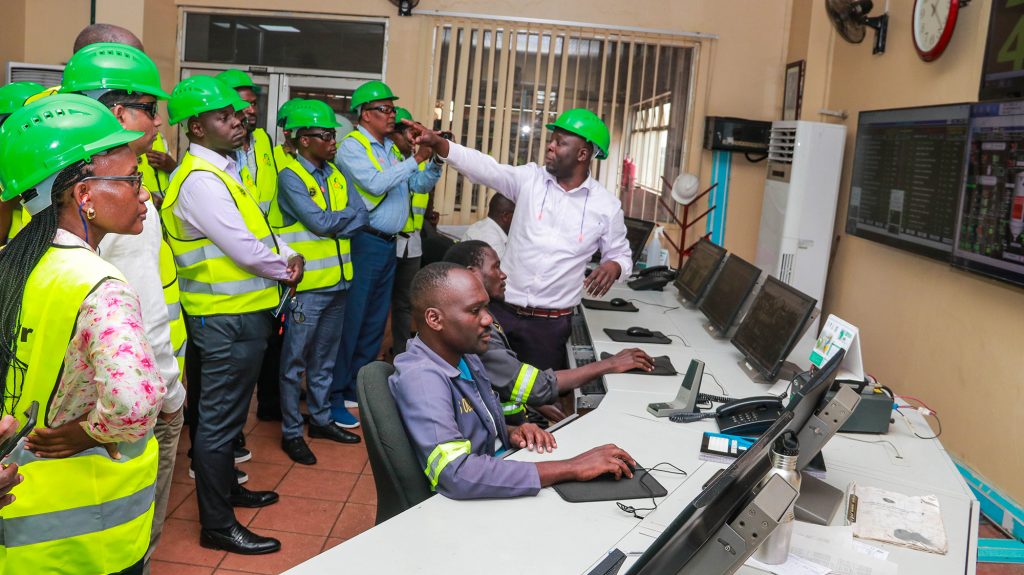
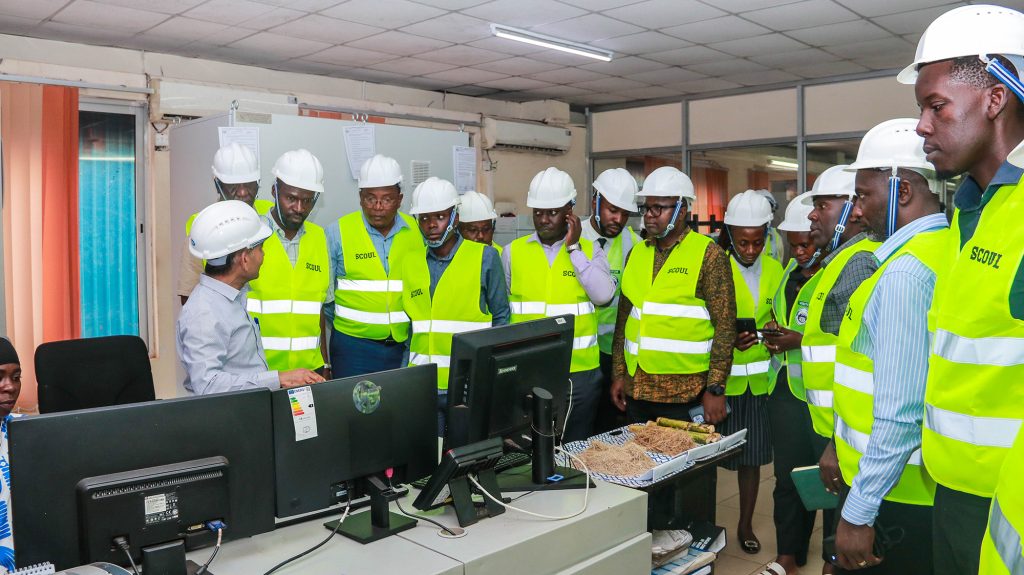
Before discussions began, delegates visited Kakira Sugar Ltd, Kinyara Sugar Ltd, and the Sugar Corporation of Uganda Ltd to gain a better understanding of Uganda’s sugar production.
The visits highlighted the strength of Uganda’s sugar industry.
Today, Uganda has 17 operational sugar mills with a combined crushing capacity of about 59,200 tonnes of cane each day. In 2025, the country produced more than 832,000 metric tonnes of sugar, while domestic demand stood at about 420,000 metric tonnes.
This leaves Uganda with a significant exportable surplus that can help meet demand across the region.
For local producers, regional markets are becoming an important part of sustaining production, creating jobs, and increasing investment in value addition.

Stronger Regional Trade Benefits Everyone
Although Uganda has enough sugar to supply neighbouring markets, exports to Tanzania have not always been consistent.
Both countries acknowledged that challenges such as communication gaps, pricing differences, transport constraints, and limited coordination have affected trade. The meeting focused on finding practical solutions to these challenges.
This approach reflects the spirit of the East African Community, where member states are working towards freer movement of goods, stronger regional value chains, and greater economic cooperation.
When trade becomes more predictable, businesses can plan better, investors gain confidence, and consumers benefit from reliable supply.
From Discussion to Action
The meeting concluded with several practical commitments that will help improve sugar trade between Uganda and Tanzania.
These include stronger information sharing between the Sugar Board of Tanzania and the Uganda Sugar Industry Stakeholders’ Council, better planning of sugar imports, joint assessments of Tanzania’s sugar requirements whenever needed, and closer coordination between both countries.
The two sides also agreed that pricing and transport arrangements should be negotiated directly between buyers and suppliers, allowing businesses greater flexibility while governments focus on creating an enabling trade environment.
In addition, the East African Sugar Industry Association will continue providing a platform for addressing broader regional industry matters.
What This Means for Buy Uganda Build Uganda
The Buy Uganda Build Uganda Policy encourages Ugandan businesses to produce high-quality goods that can compete both locally and beyond our borders.
As local industries grow stronger, regional markets become an important next step.
Uganda’s sugar industry is a good example of how increased production can create opportunities for exports, attract investment, support farmers, and generate employment across the value chain.
However, production alone is not enough. Businesses also need reliable access to markets.
That is why continued dialogue between Uganda and its trading partners is essential. It helps remove unnecessary barriers, strengthens business confidence, and creates a more predictable trading environment.
Building a Stronger Regional Economy
The Uganda and Tanzania technical meeting demonstrates that regional trade grows through partnership, transparency, and shared commitment.
By improving coordination and strengthening communication, both countries are laying the foundation for smoother cross-border trade and stronger economic ties.
For Uganda, this is another step towards expanding opportunities for locally made products and reinforcing the country’s position as a competitive supplier within the East African Community.
When local industries have access to regional markets, they grow with confidence, and when they grow, they create more jobs, support more businesses, and contribute to Uganda’s long-term economic development.