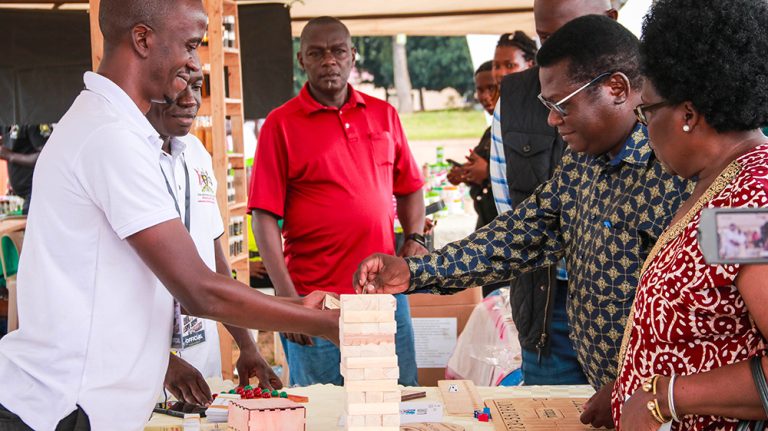
Uganda’s journey towards a stronger industrial economy depends on creating an environment where businesses can grow, compete, and confidently invest in local production.
This was the focus of the meeting between the Ministry of Trade, Industry, and Cooperatives and the Presidential CEO Forum for Uganda. The meeting brought together government leaders and private sector representatives to discuss practical solutions to the challenges slowing down manufacturers and investors.
The discussions reflected a shared commitment to Uganda’s goal of growing the economy to USD 500 billion by 2040 through stronger collaboration between the government and the private sector.
Strengthening Local Manufacturing for a Stronger Uganda
Manufacturing remains one of the key pillars of the Buy Uganda, Build Uganda (BUBU) Policy. The policy encourages the production, promotion, and consumption of locally made goods while creating jobs, supporting businesses, and reducing reliance on imports.
For BUBU to succeed, local manufacturers need an environment where quality products are protected, businesses are supported, and unnecessary barriers are removed.
The meeting highlighted that achieving this goal requires government agencies and the private sector to work as partners rather than in isolation.

Manufacturers Raise Concerns Affecting Business Growth
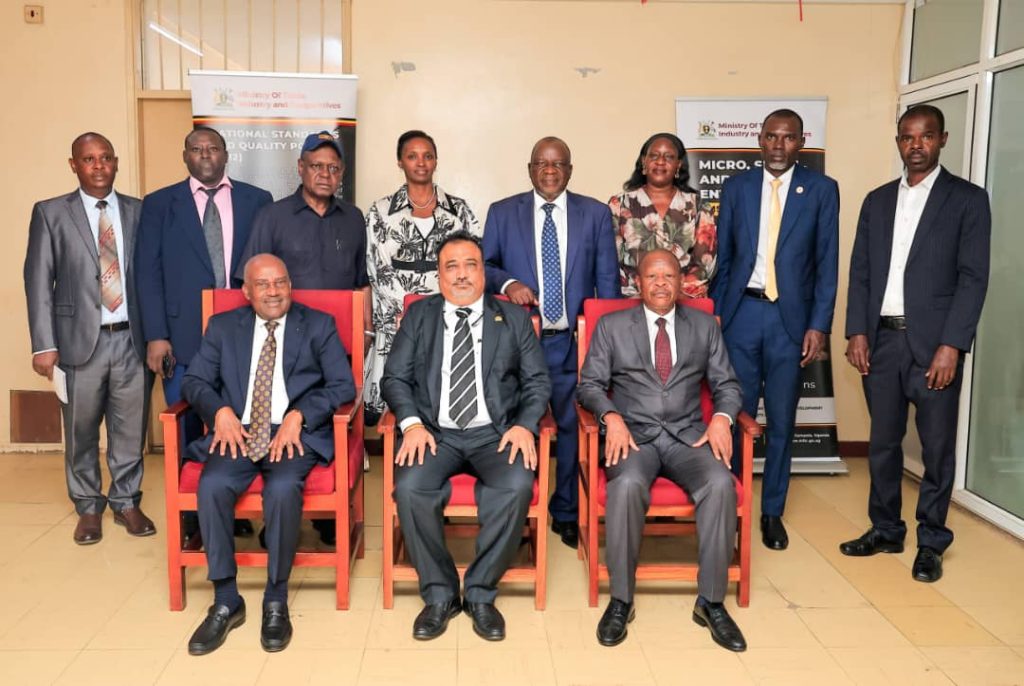
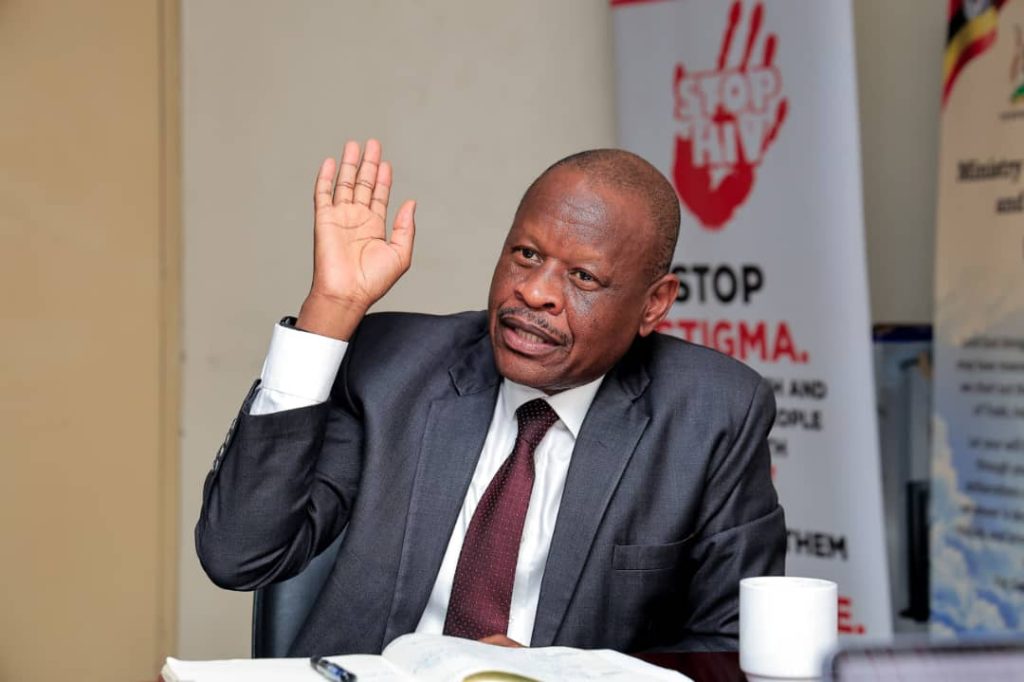
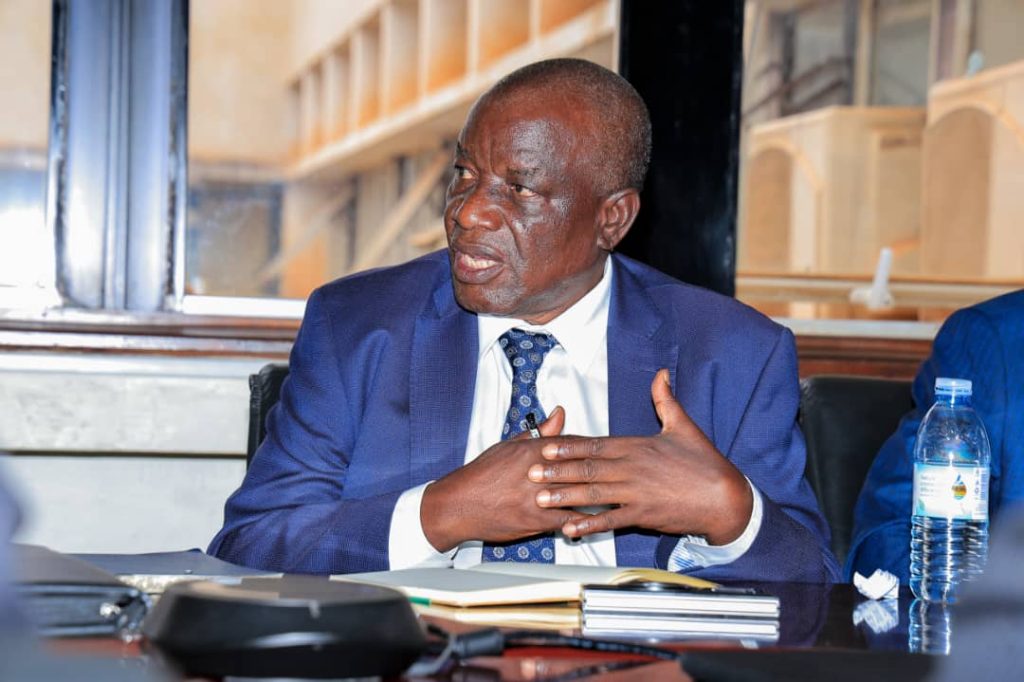
The meeting, chaired by the Minister of Trade, Industry and Cooperatives, Hon. Sanjay Tanna, was attended by the Minister of State for Trade, Hon. Gen. Wilson Mbasu Mbadi, and members of the Presidential CEO Forum led by its Chairman, Emmanuel Katongole, who is also the Executive Chairman of Cipla Quality Chemicals Industries Limited.
Speaking during the meeting, Katongole outlined several challenges that continue to increase the cost of doing business in Uganda.
Among the biggest concerns were the growing number of substandard products on the market, delays in product certification, weak supply chains, limited access to finance, low levels of value addition, and corruption.
He noted that genuine manufacturers continue to lose business to counterfeit products.
“Many people are duplicating our products. We have engaged UNBS on the issue of certification and the substandard products on the market. However, little has been done to address these issues. Our complaints to UNBS also take a long time to be responded to.” Katongole said.
He also stressed the need for Uganda to process more of its own products before exporting them.
Most of our products leave the country with limited or no processing. We end up exporting the jobs and incomes for our people, he added.
Katongole emphasized that solving these challenges requires continuous dialogue built on trust, facts, and cooperation between the government and the private sector.



Quality Must Remain the Standard
Presidential CEO Forum board member and Managing Director of East African Roofing Systems Limited, Deo Kayemba, called for greater investment in strengthening the Uganda National Bureau of Standards.
“Quality is the key passport to the market” Deo Kayemba.
Kayemba also encouraged the Ministry of Trade to speed up the implementation of the competition law to create a fair business environment, especially for micro, small, and medium enterprises that compete with larger companies benefiting from government incentives.
Government Highlights Progress
Responding to the concerns, Hon. Gen. Wilson Mbasu Mbadi said the Ministry is already working closely with the Uganda National Bureau of Standards to improve service delivery.
He revealed that the recent increase in the UNBS budget has helped reduce product certification timelines from four months to between one and a half and two months.
He also noted that the clearance time for imported products has dropped from between 10 and 15 days to as little as three hours for compliant importers.
Mbadi reaffirmed the government’s commitment to supporting trade by improving quality standards, strengthening cooperative unions, reducing border delays, supporting MSMEs, and addressing Non-Tariff Barriers within the East African Community.
We need to build a robust cooperative union to boost production, address the Non-Tariff Barriers with our neighbours in the EAC, support our MSMEs, and reduce clearance time at the borders in order to boost trade, Mbadi said.
Better Data Will Lead to Better Planning
Hon. Sanjay Tanna acknowledged that improvements are still needed within government institutions and pledged action where necessary.
He also challenged the Presidential CEO Forum to play a bigger role in guiding investors and helping the government build a reliable digital database of industries across Uganda.
We have failed to properly plan for our people because we do not have the correct statistics, with each institution producing its own figures, Tanna said.
A reliable database would improve planning, guide investment decisions, and help the government provide better support to businesses across the country.
Skills Matter More Than Paper Qualifications
The Minister also emphasized the need to equip Ugandans with practical skills that match industry needs.
He encouraged stakeholders to invest more in technical and vocational skills development, noting that industries are looking for people who can perform the job rather than simply present academic certificates.
A skilled workforce remains one of the strongest foundations for building competitive industries and attracting investment.
A Positive Step for the BUBU Agenda
The discussions between the Ministry of Trade and the Presidential CEO Forum send a strong message that Uganda’s industrial future will depend on partnership, practical solutions, and shared responsibility.
When manufacturers have access to faster certification, stronger quality standards, fair competition, reliable data, and skilled workers, they are better positioned to grow their businesses and contribute to national development.
As Uganda pursues its ambitious economic transformation agenda, continued collaboration between the government and the private sector will remain one of the country’s greatest strengths in building industries that are resilient, competitive, and proudly Ugandan.